
Listen Here
The Story
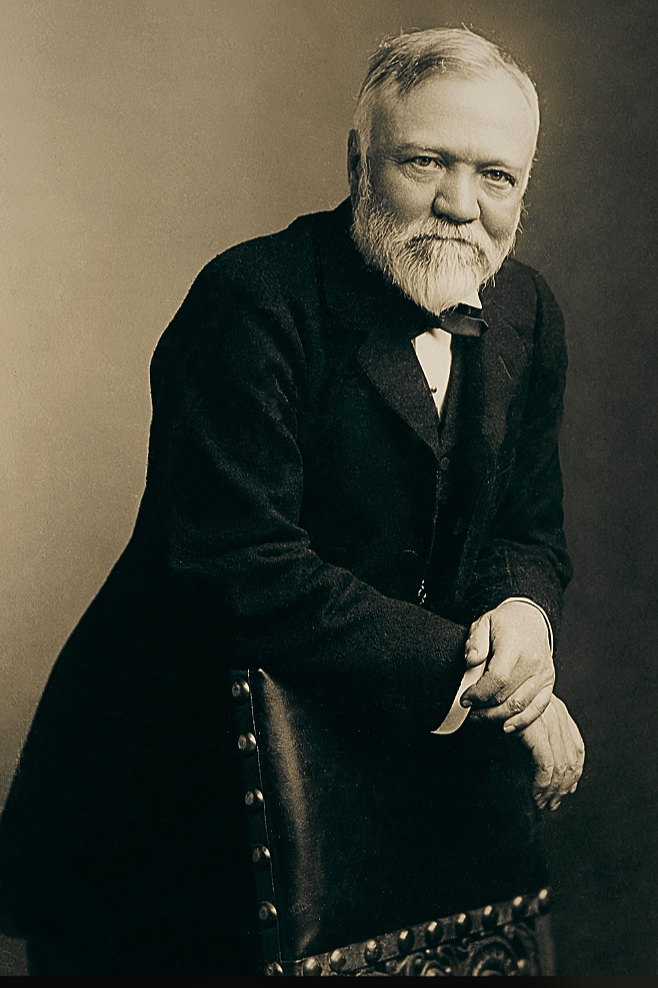
Between 1901 and 1922, Andrew Carnegie funded 69 libraries across Nebraska, giving the state the second-highest per capita rate of Carnegie libraries in the nation. But why Nebraska?
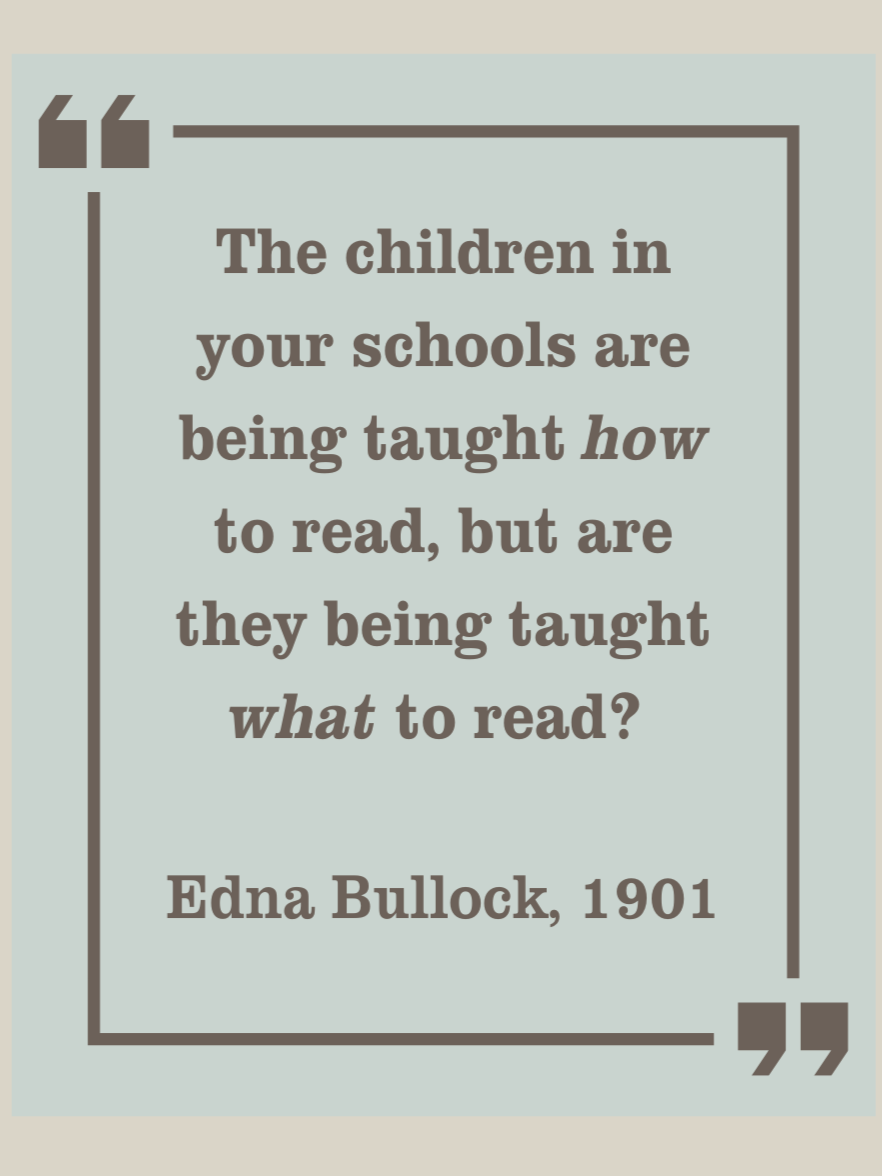
In this episode, we explore how women's clubs, a newly formed state Library Commission, and Carnegie's millions transformed Nebraska, increasing its library count from 26 to over 120 in two decades. We'll meet Belle Stoughtenborough, who traveled the state preaching "the library way," and Edna Bullock, who lobbied the legislature relentlessly until Nebraska established its Library Commission in 1901, at exactly the right moment.
Then we visit two libraries: Broken Bow, where the Ladies Library Association kept books circulating for 30 years before finally getting their "temple of literature," and Chadron, where librarian Elizabeth O'Linn Smith served soldiers at Fort Robinson during World War I, declaring, "I will go wherever I am needed."
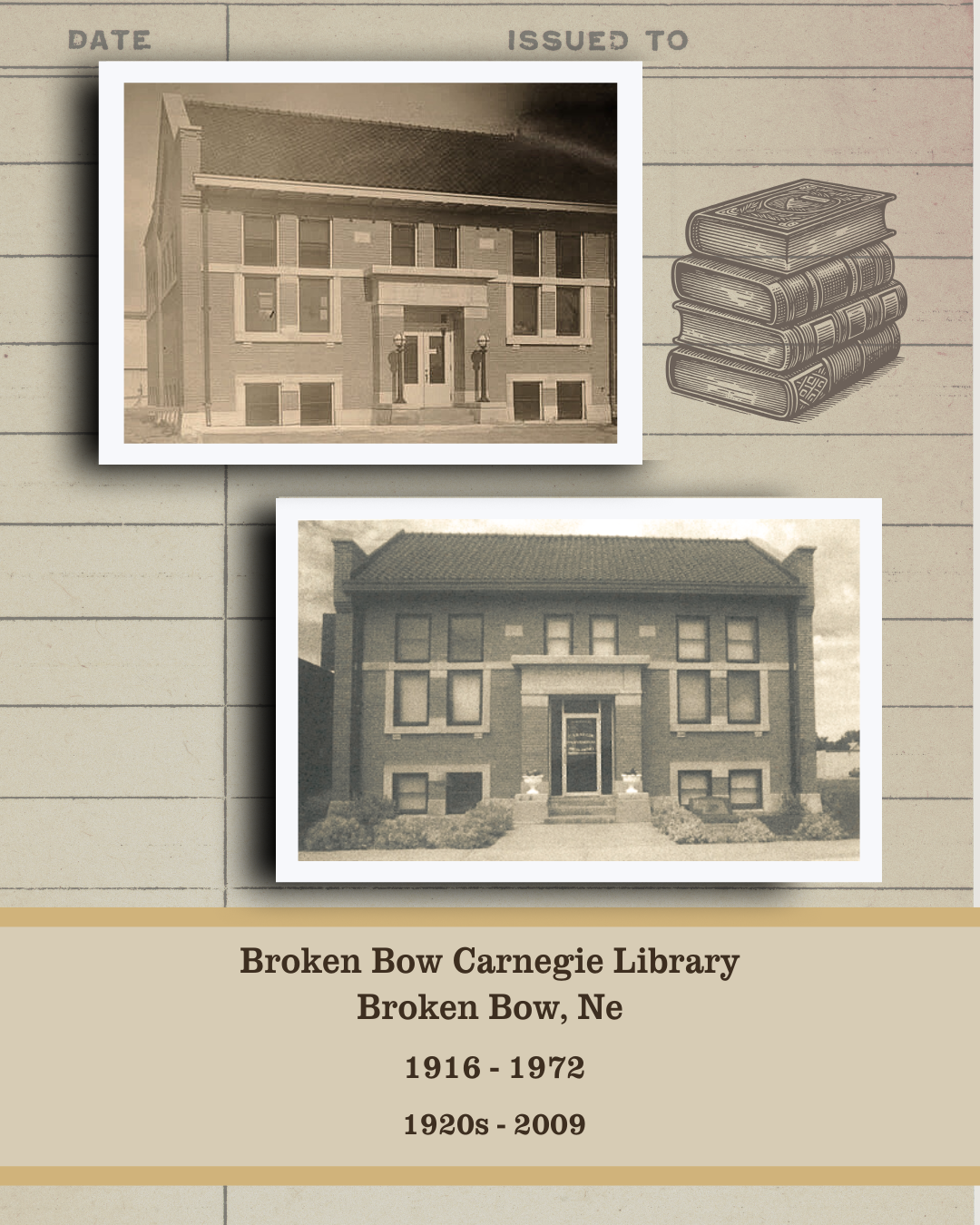
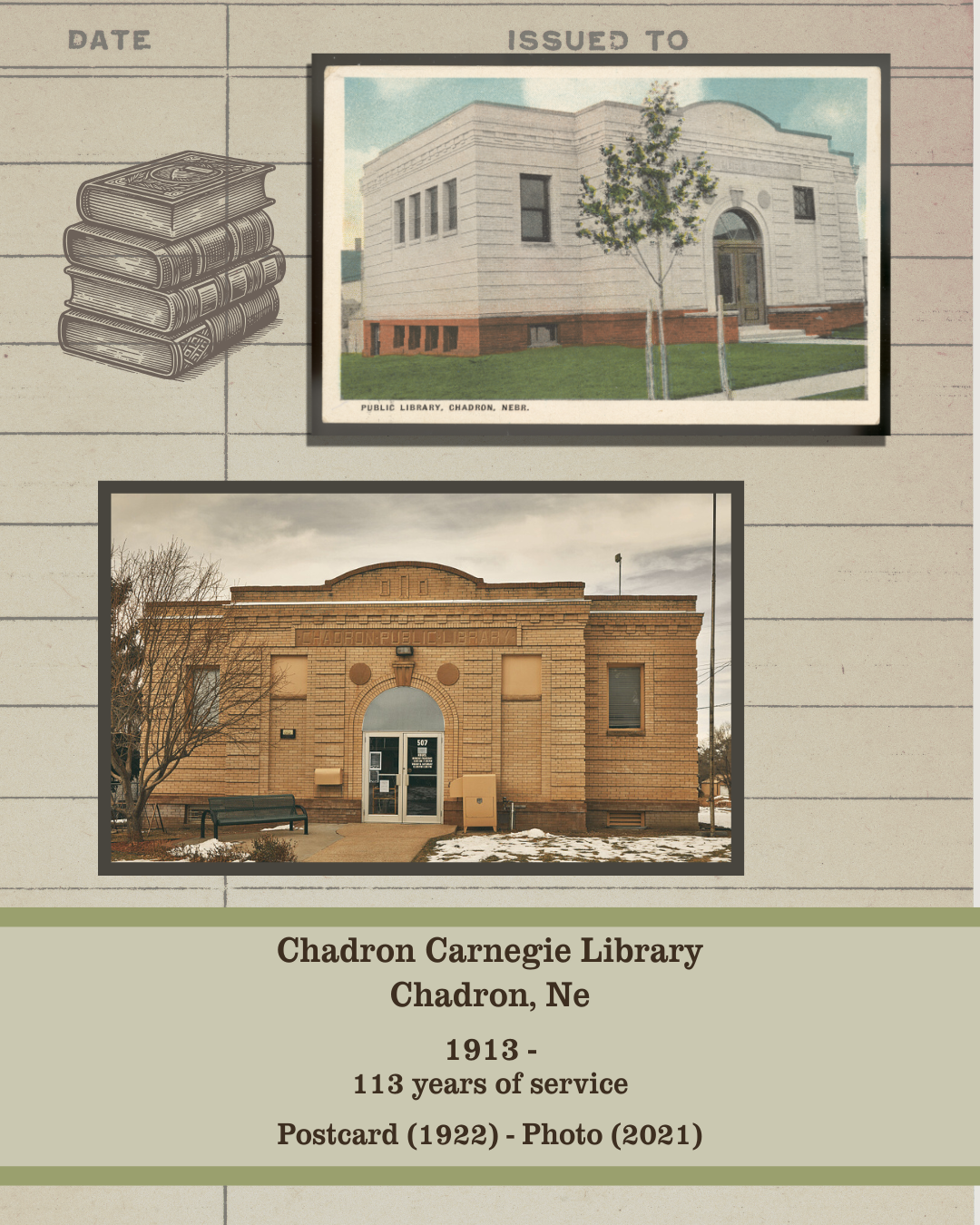
For photos of Nebraska's Carnegie libraries, past and present, follow @rootedintheplains on Instagram.
Want to learn more?
Bobinski, George S. "Carnegie Libraries: Their History and Impact on American Public Library Development." Library Quarterly 39, no. 4 (1969): 390-405.
Kevane, Michael, and William A. Sundstrom. "The Development of Public Libraries in the United States, 1870-1930: A Quantitative Assessment." Information & Culture 49, no. 2 (2014): 117–44.
Mickelson, Peter. "American Society and the Public Library in the Thought of Andrew Carnegie." The Journal of Library History 10, no. 2 (1975): 117–38.
Pollak, Oliver B. A State of Readers: Nebraska's Carnegie Libraries. Lincoln, NE: J & L Lee Co, 2005.
"List of Carnegie Libraries in Nebraska." Wikipedia. https://en.wikipedia.org/wiki/List_of_Carnegie_libraries_in_Nebraska
Photo Credits: Broken Bow- Nebraska Library Commission; Architecture Library, UNL
Chadron- Nebraska Historical Society; Carol M. Highsmith/Library of Congress